- Starting with just $500 is enough to begin building wealth as a single mom
- Automating investments removes emotional decisions and builds consistency
- Low-cost index funds outperformed my attempts at stock picking by a significant margin
- Emergency savings must come before aggressive investing to avoid costly mistakes
- Community support and simple education trump expensive financial advisors for beginners
- Why Single Moms Are Talking About Investing Right Now
- My Terrifying First Step: $500 and Zero Clue
- The 5 Strategies That Actually Moved the Needle
- What Flopped Hard (And Cost Me Money)
- Why I Nearly Wrecked Everything Without an Emergency Fund
- Where I Put My Money: A Real Breakdown
- What I’d Tell My 29-Year-Old Self Today
- Frequently Asked Questions
- Final Thoughts
I was 29, sitting at my kitchen table at midnight, staring at $500 in my checking account. My daughter was asleep in the next room. The rent was paid, groceries were handled, and for the first time in maybe ever, I had money that wasn’t spoken for. The question that kept me awake wasn’t whether to spend it. It was whether I had any business trying to invest it.
Here’s the thing nobody tells you about learning how to start investing as a single mom: the fear isn’t really about the money. It’s about making a mistake you can’t afford to undo. When you’re the only income, the only safety net, the only plan B, every financial decision feels like it could be the one that breaks everything. But that midnight in my kitchen marked the beginning of something that’s changed my entire relationship with money. Not overnight. Not dramatically. But real.
This topic is blowing up right now because single moms are realizing we can’t wait for the perfect circumstances to start building wealth. Stories are circulating about women who’ve saved substantial amounts over 15 years, hitting milestones that seemed impossible at the start. But there are also cautionary tales making the rounds about draining retirement accounts based on bad advice. The financial conversation around single parenting has shifted from survival mode to strategic growth, and honestly, it’s about time.
Why Single Moms Are Talking About Investing Right Now
The investing conversation among single mothers has reached a tipping point recently, and it’s not hard to see why. Earlier this year, a story surfaced about a single mom who saved over a million dollars in 15 years to retire at 49. That’s not a lottery win or an inheritance. That’s strategic, consistent investing paired with discipline. When those stories hit, they create ripple effects. Suddenly the idea that investing is only for people with cushy dual incomes or trust funds starts cracking.
But the flip side is also getting attention. Just a few months back, we heard about an Atlanta single mom who drained $85,000 from her retirement based on advice from her ex-boyfriend. The Ramsey Show covered it, and the takeaway was brutal: when you’re operating without a solid financial foundation and proper guidance, even well-meaning advice can crater your future. There’s also the Dave Ramsey segment about an unmarried mom with $25,000 being warned she’s one breakup away from homelessness. These aren’t hypotheticals. They’re real women making real mistakes because the system doesn’t teach us this stuff.
What’s changed is that single moms are sharing their journeys openly now. We’re admitting we don’t have it figured out, asking questions in online communities, and learning from each other’s successes and screw-ups. The financial advice industrial complex has historically ignored us or talked down to us. But social media, personal finance blogs, and peer support groups are filling that gap. We’re becoming our own financial advisors, and the learning curve is steep but navigable.
I started paying attention to investing because I realized my 401k contributions at work weren’t going to cut it. The default 3% wasn’t building anything meaningful, and I was leaving employer match money on the table out of sheer ignorance. When I finally calculated what I’d have at retirement age with my current trajectory, the number made me nauseous. That was my wake-up call. Not a viral story or a scary headline. Just cold math showing me I was on track to be broke at 65.
My Terrifying First Step: $500 and Zero Clue
Let me paint the picture of where I started. Single income. One kid. Decent job but nothing fancy. I had finally clawed my way to a place where I wasn’t living paycheck to paycheck, but just barely. That $500 represented about three weeks of saying no to takeout, skipping a weekend trip, and selling some old furniture. It felt significant, but also terrifyingly small when I thought about investing.
I spent two weeks reading everything I could find. Articles about index funds, Reddit threads about Roth IRAs, YouTube videos explaining the stock market. Honestly? Most of it sounded like a foreign language. P/E ratios, expense ratios, dividend yields, bull markets, bear markets. I understood maybe 40% of what I was reading, and that 40% often contradicted the other stuff I’d just learned.
The paralysis was real. Every article seemed to assume you had either $10,000 to start or a financial advisor on speed dial. The advice tailored to beginners still felt aimed at people with safety nets. I didn’t have a partner to split bills with. I didn’t have parents I could move in with if things went south. It was just me and my daughter, and that $500 was supposed to be the beginning of her college fund, my retirement, and our emergency cushion all at once.
I finally opened a brokerage account with one of the big online platforms. Took me three attempts because I kept second-guessing myself and closing the browser. When I finally funded it and bought my first investment, my hands were shaking. I’m not exaggerating. I put the entire $500 into a low-cost S&P 500 index fund because that was the safest-sounding option I’d found. Then I closed my laptop and didn’t look at it for a week because I was convinced I’d already lost it all.
The 5 Strategies That Actually Moved the Needle
1. Automating Everything So I Couldn’t Chicken Out
The biggest game-changer was setting up automatic transfers. Every payday, $50 moved from checking to my brokerage account before I could touch it. Some months that felt impossible. I’d check my budget and think there’s no way I can spare fifty bucks this week. But I left the automation running, and somehow I always made it work. The key was making it hurt just enough to notice but not enough to break me.
📖 Related: HSBC Sets Aside $400M for Fraud: Should I Move Money Now?
Automation removed the emotional decision-making. I wasn’t waking up on the 15th of the month deciding whether to invest or buy new shoes. The money was just gone, already working. Within six months, I’d invested more through those tiny automatic contributions than I ever would have done manually. It added up faster than I expected because consistency beats enthusiasm every single time.
2. Index Funds Over Individual Stocks
I tried stock picking for exactly two months. Disaster. I bought shares in a tech company because I read an article predicting it would explode. It dropped. I panic-sold. Then it recovered the next month. I bought into a retail stock because I liked shopping there. That company’s share price went nowhere for the entire time I held it. I finally admitted I had no idea what I was doing.
Switching to index funds felt like admitting defeat at first, but it was actually the smartest move I made. I couldn’t outsmart the market. But I could match it. My S&P 500 index fund just steadily grew over time without me needing to read earnings reports or predict trends. The expense ratio was low, the diversification was automatic, and I could actually sleep at night. Boring worked way better than exciting.
3. Increasing My 401k Contribution Every Raise
This one took discipline I didn’t know I had. Every time I got a raise at work, no matter how small, I increased my 401k contribution by at least half of the raise amount. So if I got a 3% raise, I bumped my contribution up by 1.5%. I never felt the missing money because I’d never had it in my paycheck to begin with.
The employer match made this even more powerful. My company matched up to 5%, which I finally maxed out after ignoring it for years. That’s free money. Literally. I was leaving thousands on the table annually because I didn’t understand how matching worked. Once I fixed that, my retirement account growth accelerated noticeably. It felt like finding money I’d hidden from myself.
4. Learning From Free Resources, Not Expensive Courses
I almost bought a $300 investing course. Thank God I didn’t. Everything I needed to learn was available for free. Library books. YouTube channels run by actual financial educators. Subreddits where people shared their real portfolios and mistakes. Personal finance blogs written by people who’d started from zero.
The free resources were often better than the paid ones because they weren’t trying to sell me on a specific strategy or product. They just explained how things worked. I learned about Roth IRAs, tax-advantaged accounts, asset allocation, and rebalancing without spending a dime. The information is out there. You just have to filter out the scams and the people trying to sell you something.
5. Connecting With Other Single Moms Who Invest
I found an online community of single moms focused on financial independence. Real talk: it changed everything. These women weren’t financial experts. They were nurses, teachers, retail managers, freelancers. But they shared their budgets, their investment accounts, their failures, their wins. I learned more from their monthly check-ins than I did from most professional advice.
Having accountability mattered. When I wanted to pull money out of my brokerage account to buy something stupid, I’d post in the group first. They’d talk me down. When I hit my first $1,000 invested, they celebrated with me. When the market dropped and I freaked out, they reminded me this was normal. Community support made investing feel less lonely and less terrifying.
📖 Related: I Cut Database Costs from $200 to $0 with SQLite—Real Results
What Flopped Hard (And Cost Me Money)
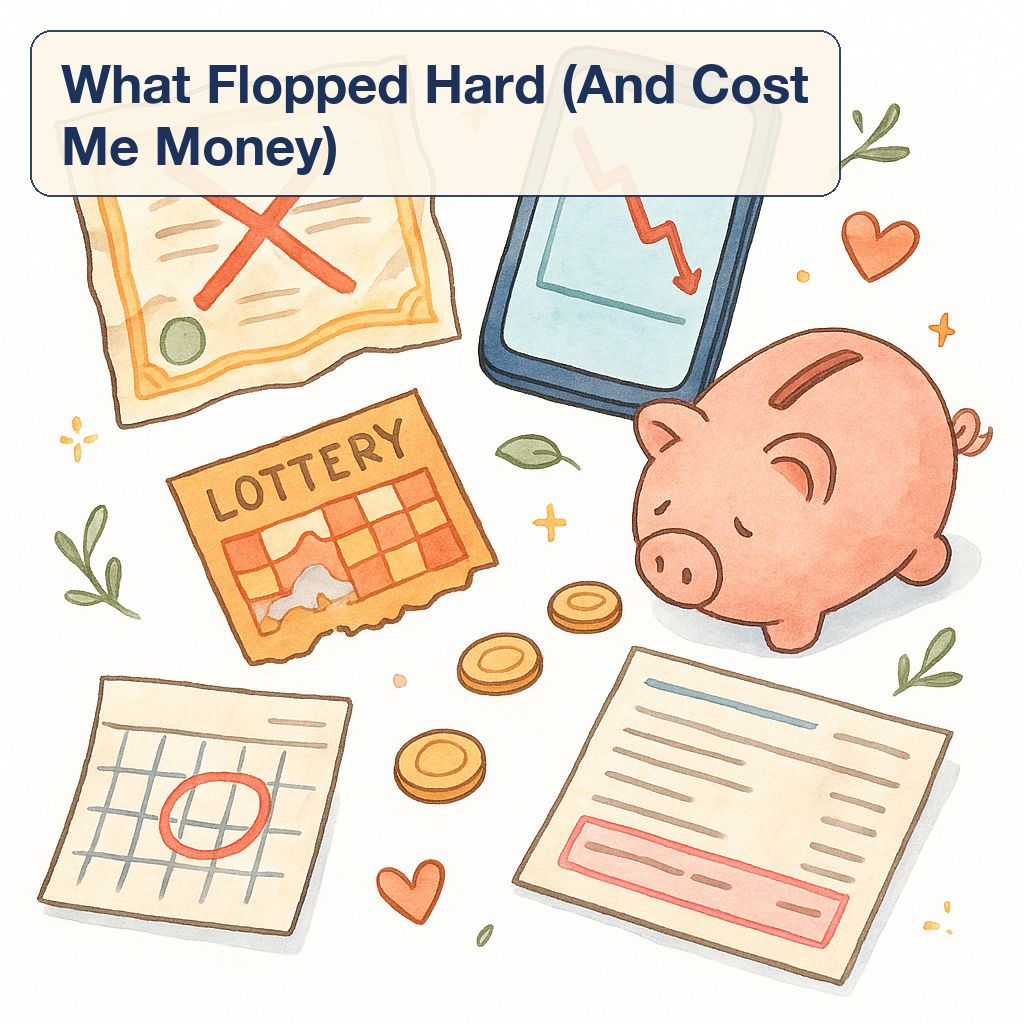
Let’s talk about my mistakes, because I made plenty. First up: trying to time the market. I read somewhere that you should buy low and sell high, which sounds obvious. But in practice, I had no idea when “low” was actually low. I pulled money out when the market dipped, convinced it was going to crash. It rebounded the next week. I lost potential gains and paid transaction fees for nothing.
Another expensive lesson: investing in things I didn’t understand because someone online hyped them. I bought into a cryptocurrency based on a Reddit thread. Not a lot, maybe $100, but I had no clue what I was actually buying. It tanked. I held it hoping it would recover. It tanked more. I finally sold at a significant loss and swore off anything I couldn’t explain to my daughter in simple terms.
I also wasted money on a financial advisor for about three months. Not because advisors are bad, but because I wasn’t at a stage where I needed one. I was paying a percentage of my tiny portfolio for advice I could’ve gotten free elsewhere. The advisor was nice but kept trying to sell me whole life insurance and high-fee mutual funds. When I finally crunched the numbers, the fees were eating a noticeable chunk of my returns. I fired them and went back to managing things myself.
The biggest mistake, though, was not having a proper emergency fund before I started investing aggressively. I’ll get to that in the next section, but spoiler: it almost derailed everything.
Why I Nearly Wrecked Everything Without an Emergency Fund
Here’s where I really screwed up. I got so excited about investing that I put almost every spare dollar into my brokerage account and 401k. My emergency fund was maybe $800. That’s not enough to cover even one month’s expenses. I told myself I could always pull money out of investments if something happened. Bad plan. Terrible plan.
Six months in, my car needed a $1,200 repair. Not optional. I needed the car to get to work. My emergency fund didn’t cover it. I had two choices: put it on a credit card and pay interest, or pull money out of my investments. I pulled from my brokerage account. The market happened to be up that week, so I didn’t lose money on the sale, but I paid taxes on the gains and reset my investment timeline. It felt like starting over.
That experience taught me the hard way that investing without a safety net is like building a house on sand. You need boring, accessible cash for emergencies. The general advice is three to six months of expenses. As a single mom, I aimed for four months because I needed to sleep at night. It took me almost a year to build that up while still contributing to investments, but it was worth every dollar.
Now my emergency fund sits in a high-yield savings account earning interest. It’s not exciting. It won’t make me rich. But it means I don’t have to panic-sell investments when life happens. And life always happens. The hot water heater breaks. The kid needs braces. You get a surprise medical bill. Having cash on hand for those moments protects your long-term investment strategy from short-term chaos.
If I could go back and redo my first year, I would’ve split my extra money differently: 70% to emergency fund until it hit four months of expenses, 30% to investing. Once the emergency fund was solid, flip it to 80% investing, 20% topping up the emergency fund as expenses rise. That balance would’ve saved me so much stress and prevented the costly mistake of selling investments too early.
Where I Put My Money: A Real Breakdown
People always ask me where exactly I invest. Here’s the honest breakdown of where my money goes now, compared to where it went when I started. This isn’t advice, just transparency about what worked for my situation.
| Account Type | When I Started (Year 1) | Now (Year 3) | Why It Changed |
|---|---|---|---|
| 401k (employer match) | 3% contribution | 7% contribution | Realized I was leaving match money on the table; increased with each raise |
| Roth IRA | Didn’t have one | Monthly auto-contribution | Learned about tax-free growth; opened one after Year 1 |
| Taxable brokerage | All $500 here, individual stocks | Index funds only, smaller monthly amount | Stock picking failed; prioritized tax-advantaged accounts first |
| Emergency fund | ~$800 | 4 months expenses | Car emergency taught me this had to be priority #1 |
| College savings (529) | $0 | Small monthly contribution | Started once other accounts were on track; state tax benefit |
The biggest shift was understanding the order of operations. You max out employer match first because that’s instant returns. Then you build your emergency fund so you’re not forced to sell investments at bad times. Then you fund tax-advantaged accounts like Roth IRAs because the tax benefits compound over decades. Only after all that do you put money into a regular taxable brokerage account.
I got that order completely backward at first. I was putting money into a taxable account while ignoring my employer match and having no emergency fund. It worked out okay because I started small and learned fast, but I lost probably a year of optimal growth by not understanding the priority system. Live and learn.
What I’d Tell My 29-Year-Old Self Today
If I could go back to that midnight moment at my kitchen table, here’s what I’d say: Start smaller than you think you need to. That $500 felt huge, but putting in $100 to start and keeping $400 for the emergency fund would’ve been smarter. You don’t need a big dramatic beginning. You need a sustainable one.
📖 Related: Micron Stock Just Hit $200—Should I Buy Now or Wait?
I’d tell myself to ignore the noise. So much investing advice is written for people in completely different situations. Dual-income households. People with inherited wealth. Tech workers with stock options. None of that applied to me. The advice that mattered was the boring stuff: consistent contributions, low fees, long time horizons, and not panicking when the market dips.
I’d emphasize that investing as a single mom isn’t about getting rich quick. It’s about building a foundation so your kid doesn’t have to support you when you’re 70. It’s about having options. It’s about proving to yourself that you can build wealth even when the system isn’t designed for people like us. That mindset shift matters more than any specific stock pick or account type.
Most importantly, I’d tell myself to stop feeling guilty about investing money instead of spending it on my daughter. This is for her too. The financial security I’m building benefits both of us. She’s learning by watching that women can manage money, make smart decisions, and plan for the future. That’s a better inheritance than anything I could buy her right now.
The community matters more than you think. Find your people. Share your numbers. Be honest about your screw-ups. The women who started at the same place you did and figured it out are worth more than any expensive course. Listen to them. Help the ones coming up behind you. We’re all figuring this out together.
Frequently Asked Questions
How much money do I actually need to start investing as a single mom?
You can start with as little as $50 or even less with some platforms that allow fractional shares. The key isn’t the amount, it’s the consistency. Starting with a small amount you can afford to contribute regularly beats waiting until you have a large sum. Many brokerages have eliminated minimum deposit requirements, so the barrier to entry is lower than ever. Focus on building the habit first, then increase contributions as your budget allows.
Should I pay off debt before I start investing?
It depends on the interest rate. High-interest debt like credit cards should generally be paid off first because the interest rate likely exceeds any investment returns you’d earn. But if you have low-interest debt like a mortgage or student loans, you can often do both simultaneously, especially if your employer offers a 401k match. That match is guaranteed return that you shouldn’t leave on the table. Start with small investment contributions while aggressively paying down high-interest debt, then increase investments as the debt disappears.
What if I need to pull money out of my investments for an emergency?
This is exactly why building an emergency fund before investing aggressively is critical. If you do need to pull from investments, understand the consequences first. With a Roth IRA, you can withdraw contributions penalty-free anytime, but earnings are subject to penalties if you’re under 59½. With a 401k, early withdrawals typically face taxes and penalties. Taxable brokerage accounts are most flexible but you’ll pay capital gains taxes on any profits. Always exhaust your emergency fund and consider other options before selling investments, especially during a market downturn.
Is it better to invest or save for my kid’s college?
This is a tough balance many single moms face. The general wisdom is to prioritize your own retirement first because your child can borrow for college, but they can’t borrow for your retirement. That said, you don’t have to choose completely. Once you’re contributing enough to get your full employer match and have an emergency fund, you can split additional money between retirement accounts and a 529 college savings plan. Some states offer tax deductions for 529 contributions, which can make them worthwhile even with small amounts. Start with retirement, then add college savings as your financial situation improves.
How do I know if I’m investing in the right things?
For most beginners, especially single moms with limited time to research, low-cost index funds are the safest bet. An S&P 500 index fund gives you exposure to 500 of the largest US companies with minimal effort and low fees. As you learn more, you can diversify into international funds or bond funds, but starting simple is perfectly fine. Avoid individual stocks unless you have time to research and can afford to lose that money. If your investments are keeping you up at night with worry, you’re probably taking too much risk. Investing should be boring, not thrilling. Check your accounts quarterly, rebalance annually, and otherwise leave them alone.
Final Thoughts
Looking back at that terrified 29-year-old with $500 and a head full of doubts, I wish I could tell her it gets easier. But honestly? It doesn’t get easier. It gets more familiar. The fear of making a mistake doesn’t disappear, but you learn to make decisions anyway. You build confidence through small wins and survive the small losses. You realize that doing something imperfectly beats doing nothing perfectly every single time.
Learning how to start investing as a single mom isn’t about having all the answers from day one. It’s about taking that first uncomfortable step, then the next one, then the one after that. It’s about automating what you can so discipline doesn’t depend on motivation. It’s about finding people who’ve walked this path and asking them the stupid questions you’re too embarrassed to ask anywhere else.
My investment portfolio isn’t impressive by Wall Street standards. But it’s mine. I built it from nothing, with no financial background and no safety net. Every dollar in there represents a choice I made to prioritize future security over present comfort. Some months that choice was easy. Most months it wasn’t. But the compound effect of those choices is creating something I never thought possible when I was sitting at that kitchen table at midnight.
If you’re a single mom reading this and thinking you can’t afford to invest, I hear you. But I’d challenge you to think about it differently. Can you afford not to? That $50 or $100 you invest this month might be the difference between working until you’re 75 or retiring with dignity. It might be the difference between your kid seeing money as a source of stress or seeing it as a tool they can control. Start smaller than feels meaningful. Start before you feel ready. Just start.
The perfect time to start investing doesn’t exist. The right time is always now, with whatever you have, wherever you are. Your future self will thank you for beginning today, even if today’s beginning feels impossibly small.